



Turkey, a country that bridges Europe and Asia, is a vibrant tapestry of history, culture, and tradition. From its ancient roots to its modern identity, Turkish culture reflects a rich blend of influences from various civilizations. Whether you\’re exploring its historical sites, savoring its cuisine, or experiencing its warm hospitality, there\’s much to discover about this fascinating nation.
A Rich Historical Heritage
Turkey\’s history is deeply intertwined with the rise and fall of empires. The region was once home to the Hittites, Phrygians, and Lydians before becoming part of the Roman and Byzantine Empires. The Ottoman Empire, which lasted for over 600 years, left an indelible mark on the country\’s architecture, language, and customs. Today, remnants of this grand empire can be seen in iconic landmarks such as the Hagia Sophia, Topkapi Palace, and the Blue Mosque.
\”Turkey\’s history is a story of resilience and cultural fusion,\” said Dr. Ayşe Demir, a historian at Istanbul University. \”From the Byzantines to the Ottomans, each era has contributed to the unique identity we see today.\”
The country\’s strategic location made it a crossroads of trade and conquest, leading to a diverse cultural heritage. The influence of the Arab, Persian, and Greek cultures is evident in Turkish art, music, and literature. This blending of traditions has created a distinct cultural identity that continues to evolve.
Cultural Traditions and Customs
Turkish culture is known for its warmth and hospitality. Visitors are often greeted with tea or coffee, a gesture that symbolizes friendship and respect. The concept of mukabele (hospitality) is deeply ingrained in Turkish society, and guests are treated with great care and generosity.
\”In Turkey, a guest is considered a blessing,\” said Mehmet Yılmaz, a local resident. \”We take pride in making our visitors feel at home.\”
Weddings in Turkey are elaborate affairs that reflect the country\’s deep-rooted traditions. The Kına Gecesi (Henna Night) is a pre-wedding ceremony where the bride is adorned with henna, symbolizing good fortune and protection. The wedding day itself is filled with music, dancing, and feasting, with the couple exchanging vows in both civil and religious ceremonies.
Another important tradition is the celebration of Ramadan and Eid. During Ramadan, families break their fast together, and on Eid, they gather to share meals and exchange gifts. These festivals highlight the importance of community and faith in Turkish culture.
Turkish Cuisine: A Taste of Tradition
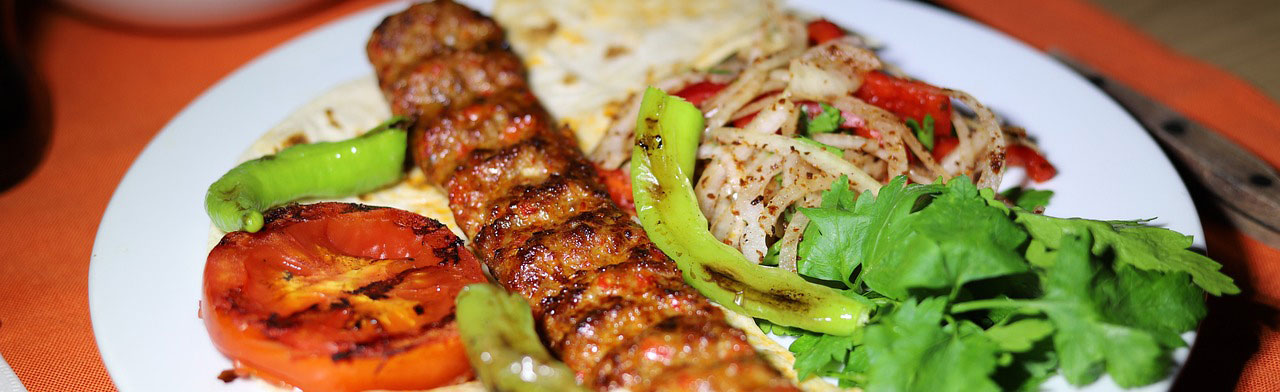
Turkish cuisine is a reflection of the country\’s diverse history and geography. It combines elements from the Mediterranean, Middle East, and Central Asia, resulting in a rich and flavorful culinary tradition. Some of the most popular dishes include:
- Döner Kebab: Thinly sliced meat cooked on a vertical rotisserie and served in pita bread.
- Baklava: A sweet pastry made of layers of filo dough, nuts, and syrup.
- Meze: A variety of small dishes such as stuffed grape leaves, eggplant salad, and hummus.
- Pide: A boat-shaped flatbread topped with cheese, vegetables, or meat.
- Lahmacun: A thin, crispy pizza-like dish topped with minced meat and spices.
The act of sharing food is central to Turkish culture, and meals are often enjoyed with family and friends. Tea and coffee are essential parts of daily life, and the ritual of preparing and serving them is a cherished tradition.
Arts and Crafts: A Reflection of Identity

Turkish arts and crafts have a long and storied history, with many traditional forms still practiced today. Calligraphy, Ebru (paper marbling), and carpet weaving are just a few examples of the country\’s artistic heritage. These crafts not only serve as decorative items but also carry deep cultural significance.
The city of Iznik is renowned for its exquisite ceramics, while the town of Bursa is famous for its intricate kilim rugs. These handmade products are a testament to the skill and creativity of Turkish artisans.
In addition to traditional arts, Turkey has a thriving contemporary art scene. Museums such as the Istanbul Modern and the Museum of Contemporary Art (MOMA) showcase the work of both local and international artists, reflecting the country\’s dynamic cultural landscape.
Language and Communication

The official language of Turkey is Turkish, a member of the Turkic language family. It is an agglutinative language, meaning that words are formed by adding suffixes to a root word. The Turkish alphabet is based on the Latin script and consists of 29 letters.
Understanding the Turkish language can enhance your experience in the country, as it allows for deeper connections with locals. While many Turks speak English, especially in tourist areas, learning a few basic phrases can go a long way in showing respect and appreciation for the culture.
Conclusion

Turkey\’s culture and history are as diverse and vibrant as the country itself. From its ancient ruins to its modern cities, every corner of Turkey offers a glimpse into its rich heritage. Whether you\’re savoring a meal, attending a festival, or simply enjoying the hospitality of its people, there\’s something special about experiencing Turkey\’s unique charm.
As the country continues to evolve, it remains a bridge between East and West, preserving its traditions while embracing the future. For those who visit, Turkey promises an unforgettable journey through time and culture.