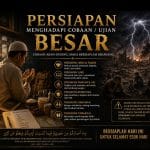
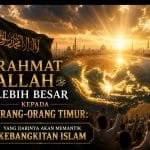
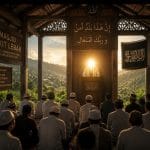
Malaysia is a country where Islam holds a central position, not only as the official religion but also as a defining element of its cultural and social fabric. With over 63.5% of the population identifying as Muslim, Islam plays a significant role in shaping the nation\’s identity, traditions, and daily life. However, Malaysia is also home to a rich tapestry of religious diversity, with Buddhism, Christianity, Hinduism, and other faiths coexisting alongside Islam.
\”Islam has been a significant part of Malaysian identity for centuries, shaping the country’s social, cultural, and political landscape.\”
The Historical Roots of Islam in Malaysia
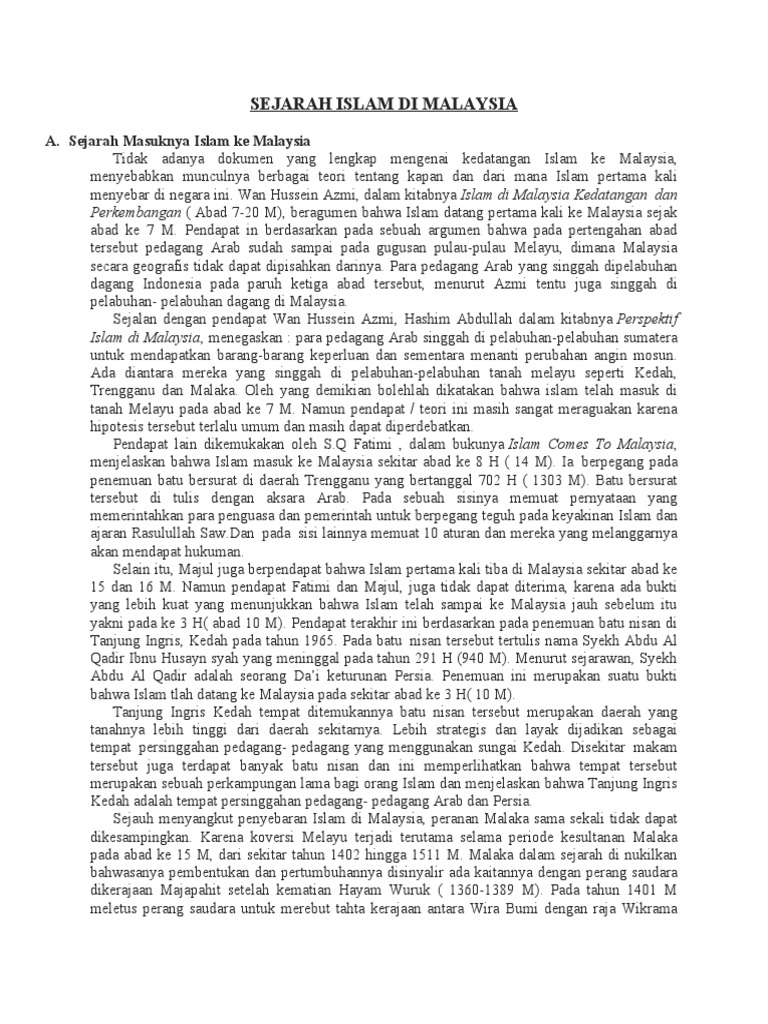
Islam was introduced to Malaysia through Arab and Indian traders as early as the 10th century, gradually spreading across the Malay Archipelago. By the 15th century, it had become deeply embedded in the region, particularly after the conversion of the Malacca Sultanate, which became a major center for Islamic learning and trade. The influence of Islam continued to grow, and by the 19th century, it had become the dominant religion among the Malay people.
The spread of Islam in Malaysia was largely peaceful, driven by trade, intermarriage, and the efforts of Sufi mystics. Unlike many other regions, Islam in Malaysia was not imposed through conquest but rather adopted through cultural and economic exchange. This historical context has contributed to the relatively harmonious coexistence of different religious communities in the country.
Demographics and Religious Diversity

According to the 2020 census, Muslims make up approximately 63.5% of Malaysia’s population, with the majority following the Shafi’i school of Sunni Islam. Other religious groups include Buddhists (19.8%), Hindus (6.3%), Christians (9.2%), and followers of traditional Chinese religions (such as Confucianism and Taoism). This diversity reflects Malaysia’s long history as a melting pot of cultures and beliefs.
Despite the dominance of Islam, Malaysia’s constitution guarantees freedom of religion, allowing citizens to practice their faiths without discrimination. However, there are some restrictions, such as the ban on non-Muslims using the word \”Allah\” in religious texts, which has sparked debates about religious tolerance.
Islamic Practices and Traditions

Islamic practices are deeply integrated into Malaysian society, influencing everything from daily routines to public holidays. Major Islamic festivals like Eid al-Fitr and Eid al-Adha are celebrated nationwide, with families gathering for feasts, prayers, and community events. The month of Ramadan is particularly significant, with many businesses closing during the day and mosques filled with worshippers.
In addition to religious observances, Islamic culture is reflected in architecture, art, and fashion. Mosques across the country showcase intricate designs that blend traditional Malay elements with Islamic motifs. The wearing of traditional Islamic attire, such as the tudung for women and the songkok for men, is common, especially during religious occasions.
The Role of Islam in Politics and Law

Islam is not only a religious force in Malaysia but also a political one. The government recognizes Islam as the official religion and has established a dual legal system that includes both civil courts and syariah (sharia) courts. Syariah courts handle matters related to Muslim personal and family law, such as marriage, divorce, and inheritance.
While this system allows for the administration of Islamic law within the Muslim community, it has also raised concerns about the treatment of non-Muslims and the rights of individuals who wish to convert from Islam. Conversion to Islam is generally not allowed, and those who do so may face social and legal consequences.
Challenges and Opportunities for Religious Harmony

Despite the challenges, Malaysia continues to promote religious harmony and tolerance. Interfaith initiatives, such as the National Council for Religious Harmony, work to foster understanding between different communities. Public celebrations of major religious festivals, including Diwali, Christmas, and Chinese New Year, reflect the country’s commitment to inclusivity.
However, tensions occasionally arise due to differences in religious practices and interpretations. For example, debates over the use of \”Allah\” in Christian publications have led to legal disputes and calls for greater dialogue between religious groups.
Conclusion
Islam in Malaysia is more than just a religion—it is a cornerstone of the nation’s identity, history, and culture. While the country faces ongoing challenges in balancing religious diversity with the dominance of Islam, its commitment to tolerance and coexistence remains strong. As Malaysia continues to evolve, the role of Islam will undoubtedly remain a central theme in its national narrative.
\”Religious freedom has a profound impact on societal accommodation, as observed in a study on peaceful coexistence between Muslims and non-Muslims in Houston, Texas,\” said a leading expert on interfaith relations.