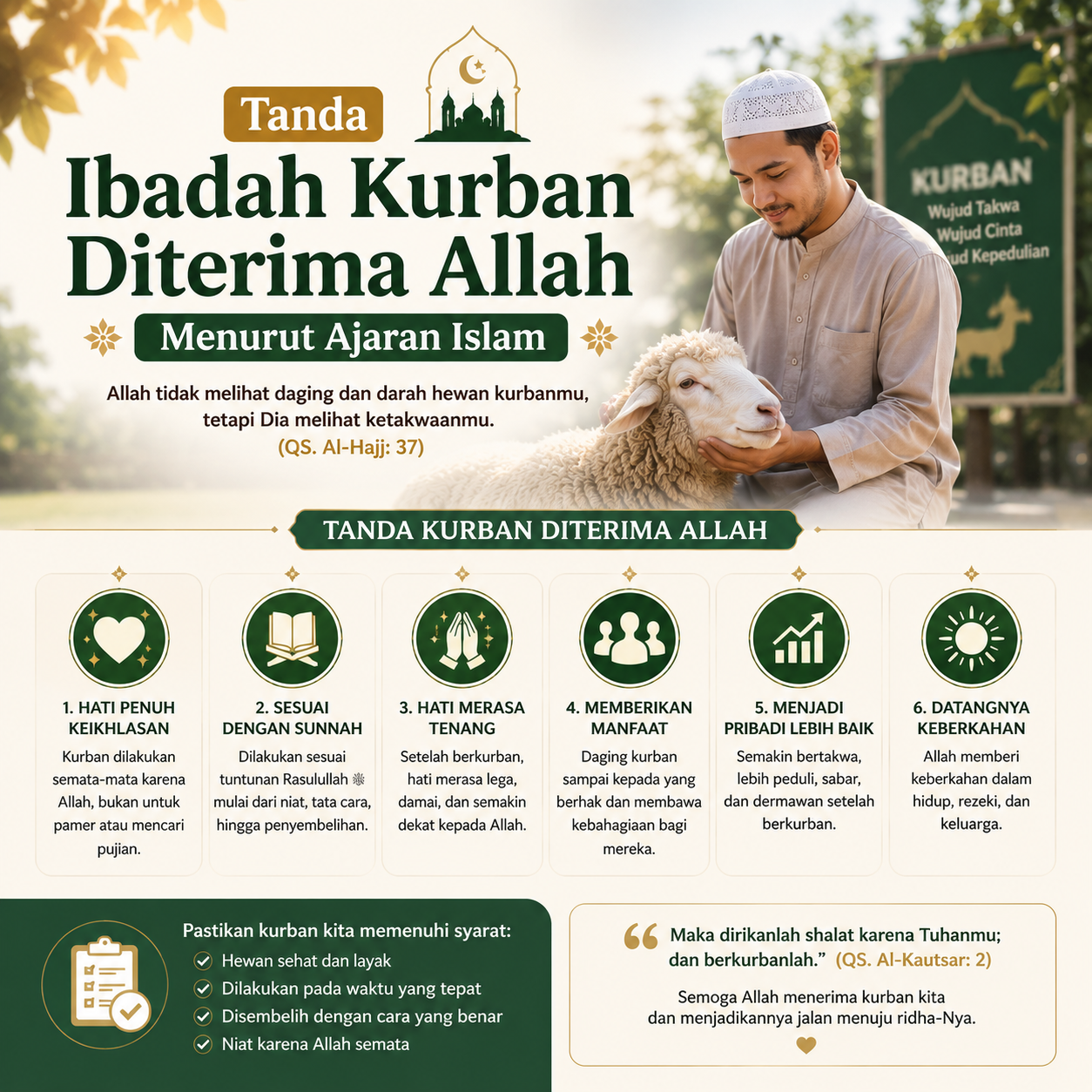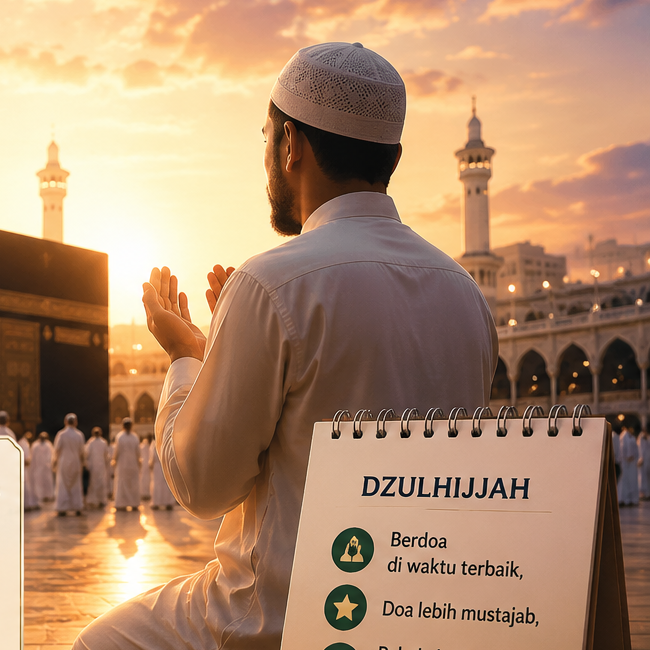



Islam, one of the world’s major religions, is built on a foundation of beliefs and practices that guide its followers in their daily lives. Among these, the Five Pillars of Islam are central to the faith, serving as the core framework for Muslim life. These pillars not only shape the spiritual journey of individuals but also foster a sense of community and responsibility among Muslims worldwide.
1. Declaration of Faith (Shahada)
The first and most fundamental pillar of Islam is the Shahada, the declaration of faith. It states, \”There is no god but Allah, and Muhammad is His messenger.\” This testimony affirms the belief in the oneness of God (Allah) and the prophethood of Muhammad. The Shahada is recited in various aspects of a Muslim\’s life, including during prayers and when converting to Islam. It serves as a reminder of the central tenets of the faith and is considered the gateway to entering the Islamic community.
\”The Shahada is the foundation of our faith,\” said Dr. Mahmoud AlAssal, an Islamic scholar. \”It is the first step in expressing our submission to Allah.\”
2. Prayer (Salah)
The second pillar, Salah, involves performing five daily prayers at specific times: dawn (Fajr), noon (Dhuhr), afternoon (Asr), sunset (Maghrib), and night (Isha). These prayers are a means of maintaining a close relationship with Allah and serve as a form of spiritual discipline. Each prayer includes specific movements and recitations, emphasizing the importance of purity and mindfulness.
\”Prayer is the connection between the servant and their Creator,\” explained Sh. Luqman ElKassabany. \”It reminds us of our purpose and keeps us grounded in our faith.\”
3. Almsgiving (Zakat)

The third pillar, Zakat, refers to the obligation of giving a portion of one’s wealth to those in need. This practice is not just a charitable act but a means of promoting social justice and equality. Zakat is calculated based on a person’s net worth and is distributed to the poor, orphans, and other deserving individuals.
\”Zakat purifies the wealth and strengthens the bonds within the community,\” said a local Muslim leader. \”It is a way to ensure that everyone has access to basic needs.\”
4. Fasting (Sawm)

The fourth pillar, Sawm, involves fasting during the holy month of Ramadan. From dawn until sunset, Muslims abstain from food, drink, and other physical needs. This act of self-discipline is meant to cultivate empathy, patience, and a deeper connection with Allah. Fasting also serves as a time for spiritual reflection and renewal.
\”Fasting teaches us to be mindful of our actions and to appreciate the blessings we have,\” shared a young Muslim. \”It brings us closer to our faith and each other.\”
5. Pilgrimage (Hajj)

The final and fifth pillar, Hajj, is the pilgrimage to Mecca, which every able-bodied and financially capable Muslim is expected to undertake at least once in their lifetime. This journey is a profound spiritual experience, symbolizing unity and submission to Allah. Pilgrims perform various rituals, including circumambulating the Kaaba, standing in prayer at Mount Arafat, and throwing stones at the devil.
\”Hajj is a transformative experience,\” said a pilgrim. \”It reminds me of the importance of faith and the strength of the Muslim community.\”
Conclusion
The Five Pillars of Islam are more than just religious obligations; they are the guiding principles that shape the lives of millions of Muslims around the world. By understanding and practicing these pillars, Muslims deepen their spiritual connection with Allah and contribute to the well-being of their communities. As the global Muslim population continues to grow, the significance of these pillars remains as relevant as ever, offering a path of faith, discipline, and unity.
For those interested in learning more about Islam and its teachings, resources like Shaykhi Academy provide comprehensive courses that explore the beliefs and practices of the faith in depth. Whether you\’re a beginner or seeking advanced knowledge, there is always more to discover about the rich and diverse traditions of Islam.